
Whoa! I opened a Solana app last week and felt that old tingle — excitement mixed with a tiny knot of caution. My instinct said: “Nice UX, but is it really safe?” Initially I thought browser wallets were all about convenience, and that was enough. But then I realized convenience without a few guardrails is a small gamble. So I started poking, testing, and using Phantom in real sessions, watching for those moments that make you smile and those that make you tap the brakes.
Here’s the thing. Phantom gets a lot right. The extension is fast, it pops open like a native app, and the transaction confirmations are clear enough that even non-tech friends can use them. Seriously? Yes — for the average user, the flow is friendly. On the other hand, I’m picky about security and privacy, so I kept digging into permission prompts, data storage, and how it interacts with dapps (decentralized apps). A couple of surprises popped up. Some were good, some not so much, and one thing felt off about how a few dapps request wide approvals.
Okay, quick anecdote: I once approved a blanket signing permission to mint an NFT and later thought, “Wait—did I just give too much access?” My heart sank for a beat. Hmm… that nervous moment taught me a rule I now live by — never accept infinite approvals unless you absolutely know the contract. I’m biased, but that part bugs me. It should bug you too.
Phantom’s core appeal is simplicity. The wallet auto-detects the Solana network, shows balances cleanly, and integrates with major marketplaces and games. Medium complexity tasks like token swaps and staking are tucked behind simple UI flows, which makes onboarding easier. Yet when things get unusual — say a custom token or a proxy program — the interface can feel a bit opaque. Initially I thought that would be rare, but in practice you hit those edge cases sooner than you expect.
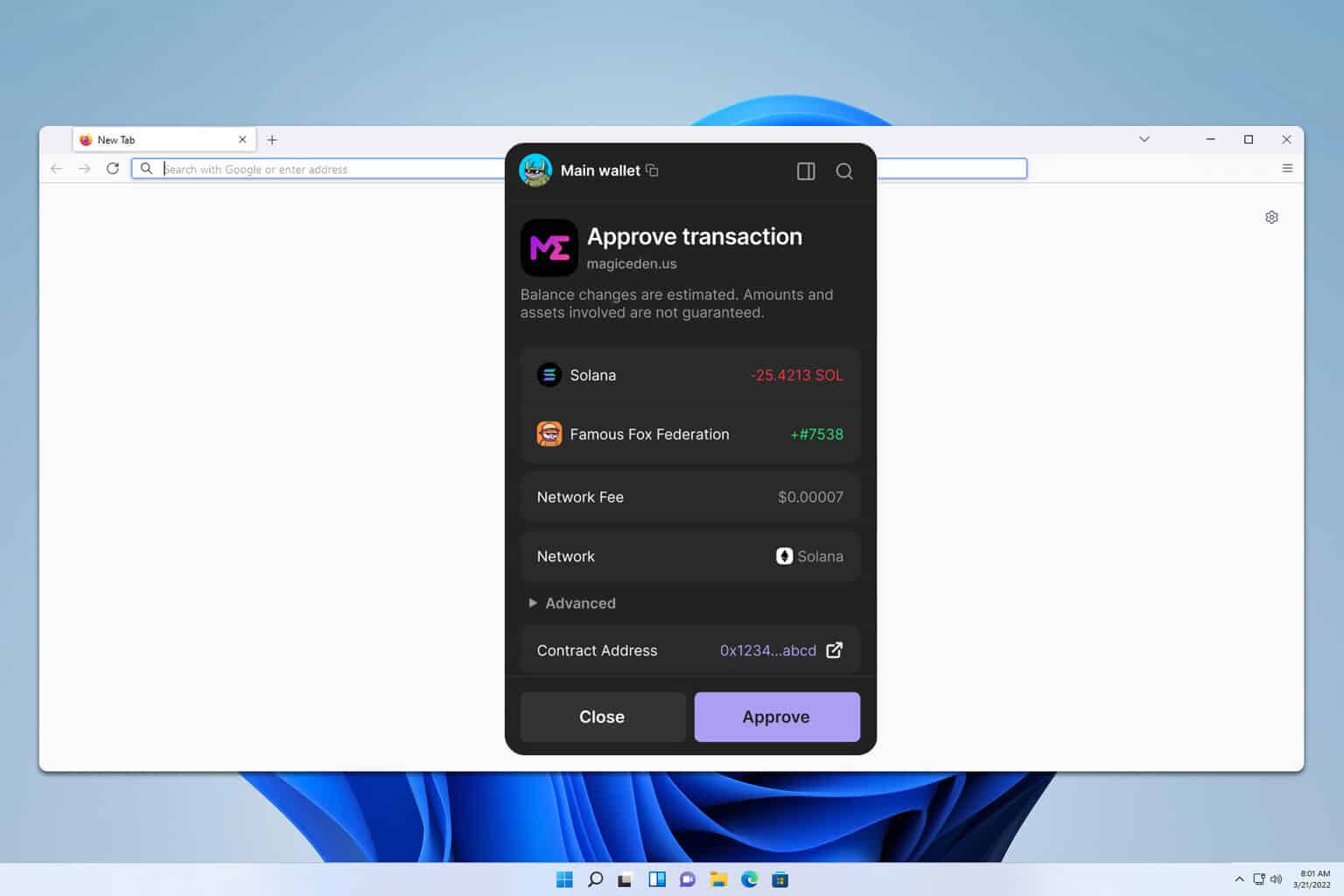
How I Install and Trust a Browser Wallet (and where to grab it)
When I’m ready to add a wallet to my browser I follow a few simple rules. First, only grab an extension from a trusted source and double-check the publisher. Second, read the permissions before clicking accept — sounds basic, but people skip it. Third, for anything more than small test amounts, pair the extension with a hardware wallet when possible. If you want to get started quickly, use this link for a vetted installer: phantom wallet download extension. (Oh, and by the way… keep that recovery phrase offline.)
Something I noticed: installing Phantom on Chrome, Brave, or Edge is nearly identical, but the browser’s own security quirks matter. Chrome isolates extensions in a slightly stricter sandbox compared to some lesser-known browsers. My rule of thumb: run the extension only in a mainstream browser you update regularly. That little habit avoids weird compatibility gotchas and reduces attack surface.
Initially I thought browser extensions were all equal across devices, but actually your OS and browser updates change the game. A background update once reset permissions in a way that made me reauthorize a dapp connection — annoying, but safer. Later I realized that forced reauthorization is a feature, not a bug, though it’s easy to gripe about interruptions.
Now a practical tip: set a small daily test transfer when you try a new dapp. Send like $5 worth of SOL to confirm the expected behavior. If it looks fine, increase amounts gradually. This is basic operational security, but it’s extremely effective. Seriously, small transfers save heartache.
The UX on mobile vs desktop is another story. Phantom’s mobile companion is slick, yet I prefer the desktop extension for heavy work because my workflow includes multiple tabs, dev consoles, and wallets. My instinct said mobile would be dominant, but for serious interactions desktop still wins.
On privacy: Phantom collects minimal telemetry compared to some alternatives, but privacy-conscious users should assume some metadata is visible to dapps (like which addresses are connected). If you want compartmentalization, create a separate wallet for specific activities and keep the one with larger balances locked down. I’m not 100% sure about every telemetry detail, but being cautious has saved me from messy tracking scenarios in the past.
Security-wise, key points matter. Never paste your seed phrase into a webpage. Never share it. Use a password manager for any extension password and if you can, use a hardware wallet for cold storage. Also disable auto-lock prolongation — I like a short timeout. These are simple things, but you forget them until you get burned once.
There are trade-offs. Phantom offers in-extension swaps, which are super convenient. But swap routing and slippage aren’t always obvious to beginners; fees and token path choices can surprise you. On one hand the interface simplifies swaps; on the other, simplification sometimes hides the complexity you actually need to know. On balance I accept the convenience but monitor slippage and the displayed fees before hitting confirm.
One more usability quirk: the extension’s notifications are generally clear, but some dapps present long data blobs in raw form. That can be overwhelming. A few times I had to copy-paste that raw data into a window to understand what program ID was being called. Not ideal, but doable if you like poking under the hood.
Power User Tricks and Practical Safeguards
Quick list. Use separate wallets for: main funds, dapp experiments, NFTs and giveaways. Short sentences help you remember. Seriously—segmentation reduces risk. Enable two-step flows where possible and keep a hardware wallet for anything long-term.
Another trick: regularly review “connected sites” in the extension settings and disconnect old dapps. Phantom lets you revoke permissions; do that monthly. I do it like a digital spring cleaning. It sounds obsessive, but revoking removes that latent risk of an abandoned dapp being exploited later.
On signing approvals, get into the habit of scanning for “Approve all” or “Unlimited allowance” prompts. If a dapp asks to sign arbitrary data or allow unlimited approvals, pause. If you’re experienced you can use program-specific approvals, but typical users should be cautious. My rule: when in doubt, deny and investigate the contract address on a block explorer.
For developers and advanced users: Phantom supports deep linking and programmatic interactions via window.solana. That opens up powerful integrations, but also means a malicious site can try to trick a user into signing something confusing. So test your dapps in a sandbox and educate users about what their wallet prompts actually mean. I’m biased toward clear UX — it saves support tickets and user trust.
FAQ
Is Phantom safe for beginners?
Yes, it’s friendly and relatively secure for newcomers, but beginners should follow basic safety rules: keep seed phrases offline, use small amounts when experimenting, and revoke unused dapp permissions regularly.
Can I use Phantom with a hardware wallet?
Yes. Phantom supports hardware wallets for added security; pair them for larger balances and long-term storage while using the extension for everyday transactions.
What if a dapp asks for unlimited approval?
Don’t approve it unless you trust the dapp fully and understand the program. A safer approach is a one-time, limited approval, or interact via a fresh wallet address used only for that dapp.
In the end, Phantom isn’t perfect. It shouldn’t be the only tool in your toolbox. But it strikes a balance between usability and control that works for a lot of people, including me. Something felt off sometimes, sure, but most of the time the extension helped me move quickly without sacrificing my sense of security. I’m not 100% sure about future feature directions, though; I expect more guardrails and better permission granularity down the line. For now, if you want a clean Solana browser experience that doesn’t require being a dev, Phantom is a solid pick — just use it with common sense and a healthy dose of that old cautious gut.